
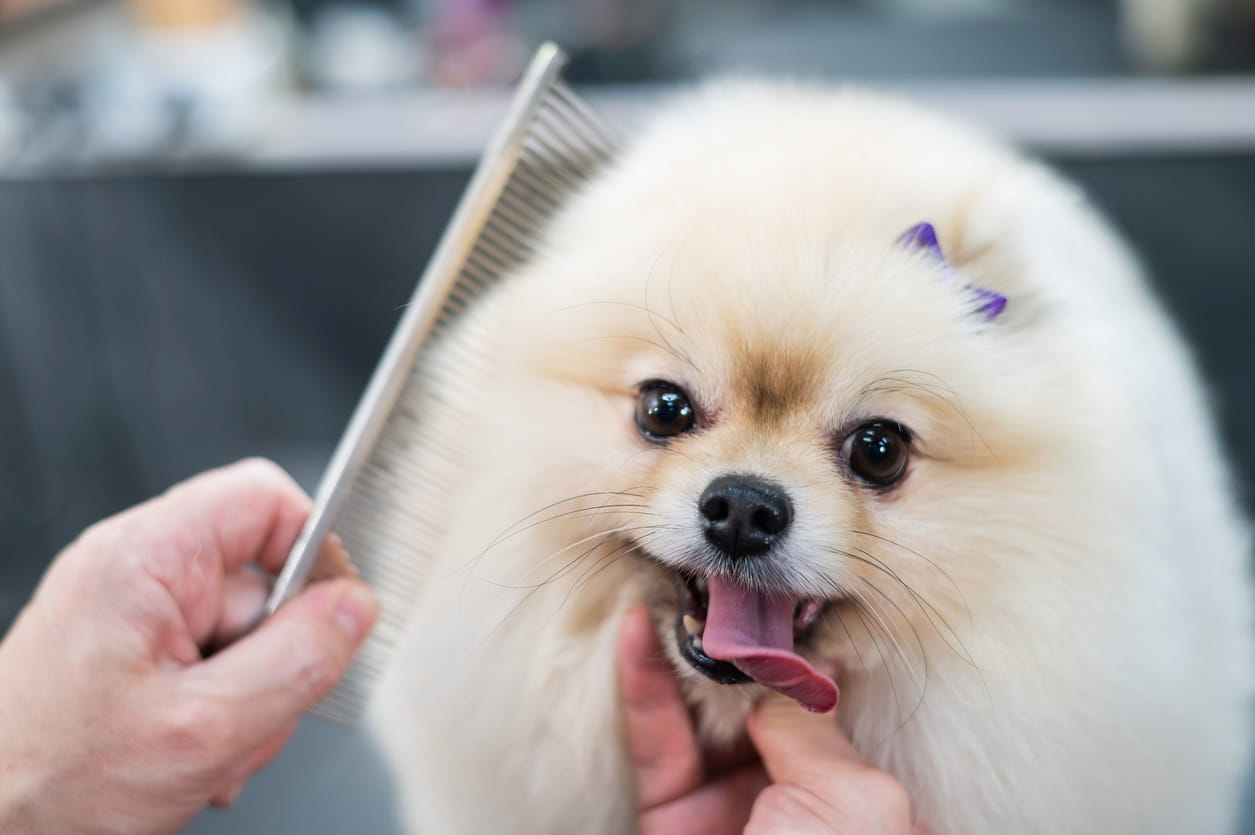
Regular grooming does much more than keep pets looking their best. It plays a major role in supporting their physical health, emotional well-being, and behavior, especially when it’s done consistently and thoughtfully.
Whether you run a grooming salon, veterinary clinic, or boarding facility, understanding the impact of grooming on animal behavior can help you deliver better care and build stronger client relationships.
Why Routine Grooming Matters
Most pet owners associate grooming with outward appearance: clean fur, trimmed nails, and a fresh-smelling coat. But grooming is a foundational part of basic animal care, just as feeding, exercise, and veterinary visits are.
Grooming allows for early detection of health issues, helps animals become more comfortable with handling, and can even reduce fear and anxiety over time.
It also gives pet owners valuable insight into their pet’s well-being. Even though they may pet their dog or cat daily, a professional groomer may be the first to notice signs of discomfort, skin issues, or behavioral changes.
Grooming Builds Comfort, Reduces Anxiety, and Encourages Trust
Many pets are nervous or fearful during their first grooming visit. New people, unfamiliar tools, and hands-on handling can be stressful. But with regular exposure and a calm, low-stress approach, animals begin to recognize the routine and even look forward to it.
Familiarity builds trust. After a few consistent sessions, the dog who once trembled in the lobby may walk in wagging their tail. The more positive the experience, the more willing the animal becomes.
Grooming also helps desensitize pets to being touched on sensitive areas like paws, ears, and tails, which can reduce defensive behavior both at the groomer and at home.
Regular Grooming Can Reveal Hidden Health Issues
Routine grooming sessions offer the perfect opportunity to spot early warning signs of medical issues that might otherwise go unnoticed.
These may include:
- Skin irritations or infections
- Fleas, ticks, or parasites
- Small wounds or bite marks
- Ear infections or buildup
- Painful mats that pull on the skin
- Growths or lumps under the coat
When these issues are detected early, pet owners can work with their veterinarian before a condition worsens. In some cases, problem behaviors such as growling or reluctance to be touched improve significantly once the underlying pain is treated.
Behavior-Friendly Grooming Starts with the Right Environment
Creating a grooming space that minimizes fear and stress makes a measurable difference in how pets respond.
Key considerations include:
- A layout that reduces crowding and visual triggers
- A quiet, low-traffic waiting area for animals of different sizes or temperaments
- Sound-dampening walls or kennel dividers to control noise
- Equipment that promotes comfort and safety during every step of the process
For example, dog kennels and holding areas should be secure, easy to sanitize, and allow animals to rest quietly post-grooming. The less chaotic the environment, the easier it is for pets to relax.
Grooming Sessions as Behavior-Building Opportunities
Every interaction between a pet and your grooming staff is a chance to reinforce good behavior.
That starts with training your team to:
- Use low-stress handling techniques for baths, drying, and nail trimming
- Recognize body language cues and adjust accordingly
- Pause or slow down if a pet shows signs of overstimulation or fear
- Reward calm behavior with praise, breaks, or the occasional treat
Your staff should also document behavioral observations and share them with the pet owner or the pet’s veterinary team. Over time, these insights help improve the care plan and keep everyone aligned on the animal’s needs.
Grooming as Enrichment
When grooming is done well, it becomes more than maintenance, it becomes enrichment.
Dogs that are handled gently, praised consistently, and cared for with compassion begin to view grooming as a positive, even enjoyable experience. That reduces fear-based behaviors, supports better socialization, and improves the pet’s overall quality of life.
Tracking behavioral notes across appointments and maintaining open communication with clients helps tailor the experience to each pet’s personality and sensitivity level. These small touches turn routine care into something pets and pet parents appreciate.
Better Grooming Means Better Business Outcomes
Calmer pets create a safer work environment for your team, reduce appointment delays, and improve customer satisfaction. Clients are more likely to stick with a grooming provider who understands their pet’s needs and maintains a clean, well-managed space.
A grooming operation that prioritizes animal behavior and comfort stands out for the right reasons, and becomes the go-to recommendation in your community.
Why Equipment Matters for Behavior and Well-being
The grooming environment is only as good as the tools you provide. Upgrading key pieces of equipment can significantly reduce stress and improve both safety and efficiency.
For example:
- Tubs with hydraulic lifts, swivel ramps, and walk-in doors eliminate the need for lifting larger dogs, reducing fear and strain
- Quiet, well-ventilated kennels support restful recovery after a groom
- Ergonomic grooming tables give staff better control while keeping pets secure
At Direct Animal, we design tubs, kennels, and grooming equipment that support behavior-friendly handling and long-term durability. Our products are built with hygienic, easy-to-clean materials and thoughtful features that improve the grooming experience for pets and professionals alike.
Ready to Create a More Behavior-Friendly Grooming Space?
Direct Animal’s grooming equipment is handcrafted by professionals who understand the day-to-day demands of pet care. From modern tubs and professional grooming tables to durable kennels for grooming facilities, we build tools that help your business run smoothly and safely.
Looking to improve both behavior and workflow in your facility? Contact our team to learn how the right grooming equipment can support happier pets and a more efficient operation