

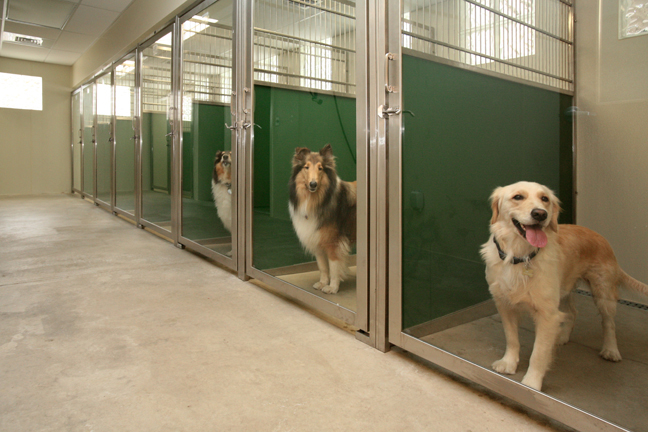
If you manage a boarding facility, animal shelter, veterinary clinic, or doggy daycare, you already know that kennel design directly affects labor, sanitation, and long-term operating costs. Choosing between raised dog kennels and concrete floor kennel runs is not simply a construction decision. It is a financial and operational decision that plays out every single day through cleaning time, odor control, staff strain, and maintenance demands.
At Direct Animal, we manufacture professional kennel systems for high-traffic animal care environments, and we regularly work with facility owners who are trying to solve the same problem. They want a system that reduces daily labor, supports consistent sanitation, and holds up under years of heavy use. The real question is not which system looks better. The real question is which system protects your time and your bottom line.
Raised Kennel Systems vs. Concrete-Floor Kennel Runs: The ROI Question
The largest expense in most facilities is labor. Installation cost matters, but cleaning minutes add up quickly. If your team spends even ten extra minutes per wing pushing water toward drains or waiting for floors to dry, that time compounds into significant payroll cost over the course of a year.
When evaluating return on investment, experienced operators look at three core factors:
- Daily cleaning time per run
- Dry time before resetting dogs
- Long-term maintenance and repair frequency
Raised dog kennels often reduce the amount of manual water management required during washdown. In many layouts, rinse water and debris pass through elevated flooring systems, allowing staff to focus on disinfecting contact areas instead of chasing standing water.
Concrete floor kennel runs depend heavily on proper slope and drain placement. When those elements are precise, cleaning can be efficient. When they are slightly off, water pooling increases labor demands and extends dry time.
Drainage and dry time also affect odor control, which directly impacts client perception. Effective sanitation requires debris removal and proper drying cycles. Raised kennel flooring can promote airflow beneath the surface in many configurations, while concrete floor kennel runs rely entirely on slope efficiency and drain performance.
What Concrete-Floor Kennel Runs Mean in Practice
Concrete floor kennel runs typically consist of sealed and sloped concrete paired with trench or trough drains. This design is common in retrofit projects where structural changes are limited or when existing slabs must remain in place.
When properly engineered, concrete runs can perform well in rugged environments. They are often appropriate for:
- Retrofit facilities where raised systems are not structurally feasible
- High-impact zones with heavy daily wear
- Space-driven layouts where floor elevation is not possible
However, experienced managers understand the tradeoffs that accompany this setup. Splash zones often develop near drains. Hair and debris can accumulate along trough edges. Staff must bend and manually guide water toward drainage points. Even minor inconsistencies in slope can result in standing water that becomes a daily frustration.
Concrete floor kennel runs can absolutely perform when design and cleaning protocols are disciplined. The key is understanding that precision in construction directly influences daily labor.
Raised Kennel Systems: Operational Advantages
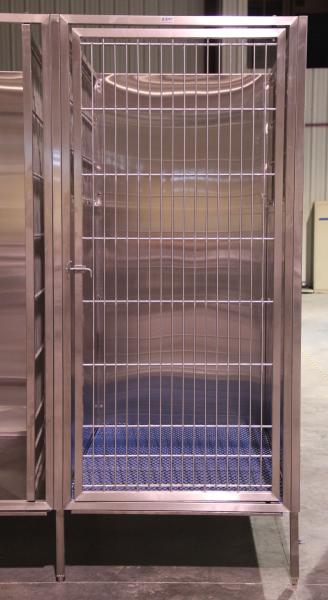
Raised dog kennels change the cleaning workflow in practical ways. Instead of pushing water across a sealed slab, staff rinse waste through elevated panels. This approach helps separate pets from runoff during sanitation cycles and reduces the likelihood of animals standing in residual moisture while runs dry.
Facilities operating at higher boarding or daycare volumes often choose raised kennel runs because they support faster turnover. When revenue depends on moving dogs efficiently between stays, dry time matters.
Operational advantages frequently include:
- Reduced squeegee time in many configurations
- Cleaner separation of pets from contaminated rinse water
- More consistent dry times between occupants
- Simplified debris management beneath the flooring surface
While no system eliminates the need for thorough sanitation, raised kennel flooring can make cleaning cycles more predictable. Facilities focused on infection control often review how they clean animal cages and runs as an integrated system. A kennel layout that supports rinse-through cleaning can help staff follow standardized protocols shift after shift.
Cleaning Time: What Changes Over a Full Shift
The difference between raised and concrete systems becomes most noticeable at the end of a busy day.
With concrete floor kennel runs, staff typically rinse, scrub splash zones, guide water toward drains, clear trough debris, and then wait for full surface drying. Dry time depends heavily on slope accuracy and ventilation.
With raised dog kennels, workflow in many layouts becomes more direct. Staff rinse debris through the flooring surface and concentrate on disinfecting high-contact areas rather than managing pooled water. Although thorough sanitation is still required, elevated flooring often reduces repetitive bending and manual water movement.
Ergonomics should factor into the decision. Repeated pushing of water and scrubbing along drain edges contributes to long-term staff fatigue. A system that reduces repetitive strain can improve productivity and retention over time.
Drainage and Odor Control Considerations
Concrete floor kennel runs rely on precise slope design and drain placement. Trench and trough drains must be installed correctly to prevent pooling. Even small inconsistencies can create persistent damp areas that trap debris and contribute to odor.
Raised kennel flooring promotes vertical drainage and can simplify moisture management when integrated properly into the overall layout. By encouraging runoff to pass below the primary standing surface, raised systems often support faster dry times and improved odor control.
No flooring system replaces disciplined cleaning. The most effective facilities combine well-designed kennel systems with consistent sanitation protocols, appropriate disinfectants, and routine maintenance.
Decision Guide: Which System Fits Your Facility
Raised dog kennels are typically the stronger choice when speed, hygiene, and staff ergonomics are priorities. They are especially effective in high-volume boarding operations, new builds, and sanitation-focused environments, where predictable dry times improve turnover.
Concrete floor kennel runs may be appropriate when retrofit constraints limit structural modifications, when budget considerations dominate early planning stages, or when rugged zones require simple slab construction.
Many modern facilities choose a hybrid layout. Raised systems can be installed in high-turn boarding wings, while concrete runs remain in secondary or utility areas where they make operational sense. The right decision depends on your traffic volume, labor allocation, and long-term growth strategy.
Build a Cleaner, More Efficient Facility With Direct Animal
At Direct Animal, we design and manufacture professional-grade animal shelter kennels and modular systems built for durability, hygiene, and operational efficiency. Our elevated raised kennel runs are engineered for facilities that need consistent sanitation and streamlined cleaning workflows. We also offer adaptable layouts and complementary solutions such as dog Room dividers that help facilities maximize flexibility without sacrificing durability.
Whether you manage a veterinary clinic, a luxury boarding resort, a municipal shelter, or a high-volume daycare, our team understands the operational pressures you face. We build kennel systems that support cleaner operations, reduce labor strain, and deliver long-term value. If you are evaluating raised dog kennels versus concrete floor kennel runs, we can help you design a configuration aligned with your workflow, budget, and long-term goals.