
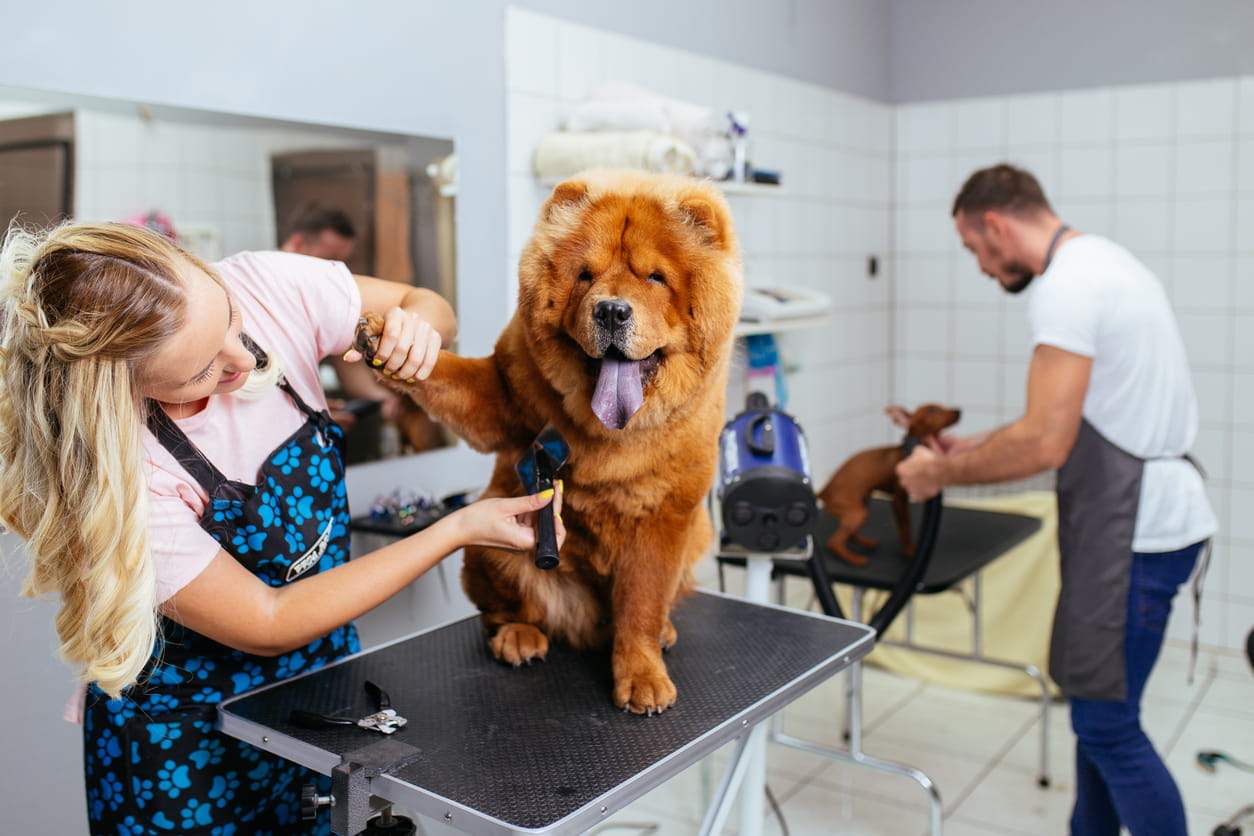
In professional animal care environments, grooming plays a critical role in maintaining pet health. Beyond keeping animals clean and presentable, routine grooming supports early detection of health issues, improves hygiene, and reduces stress during handling. Groomers often serve as the first line of observation between veterinary visits, especially in facilities where animals are seen regularly but may not receive frequent medical exams.
For grooming salons, veterinary clinics, animal shelters, boarding facilities, and doggy daycares, grooming is a frontline component of preventative care.
Grooming as Preventive Health Care
Many clients view grooming as a cosmetic service. In reality, grooming provides routine, hands-on observation that supports preventative veterinary care. During each appointment, groomers examine the skin, coat, ears, mouth, and paws, often identifying changes that may indicate developing health concerns.
These regular touchpoints help catch potential issues early, allowing pet owners or veterinary teams to intervene before problems escalate.
What Groomers Commonly Identify Early
Professional groomers frequently notice physical changes that are easy to miss during at-home care.
Skin and Coat Conditions
Hot spots, rashes, allergic reactions, fungal infections, and skin irritation are often discovered during bathing and brushing. Thick or long coats can hide these issues until a groomer performs a full inspection.
External Parasites
Even pets on preventative medications can occasionally carry fleas or ticks. Groomers may detect parasites or flea dirt and recommend veterinary follow-up to reassess prevention plans.
Lumps, Wounds, or Tender Areas
Brushing and bathing allow groomers to feel abnormalities beneath the coat. While groomers cannot diagnose, identifying new lumps, sores, or areas of pain prompts timely veterinary evaluation.
The Preventive Value of Routine Bathing and Brushing
Routine grooming prevents matting, which can trap moisture and bacteria against the skin. Severe matting causes discomfort, restricts movement, and increases the risk of infection. In extreme cases, circulation to the ears, tail, or limbs may be compromised.
Bathing with the proper products also supports skin health and allows groomers to evaluate coat condition with better accuracy. Facilities that use commercial grooming tubs and bathing tub grates provide a more sanitary, comfortable experience that elevates both hygiene and handling safety.
Small Grooming Tasks with Big Health Benefits
Nail Trimming
Overgrown nails affect posture and mobility and may lead to joint stress. Groomers monitor nail length, check for torn or infected nails, and trim safely to avoid injury.
Paw Pad Checks
Paw pads are examined for cracks, foreign objects, mats, and swelling. Groomers may detect signs of interdigital cysts, which often require veterinary treatment.
Ear Cleaning
Dogs with floppy ears or allergies are prone to chronic ear infections. Regular cleaning helps reduce inflammation, odor, and buildup that can lead to more serious infections.
Oral Health Indicators
While groomers do not provide dental care, they can identify warning signs such as bad breath, inflamed gums, or visible tartar and encourage veterinary evaluation.
Anal Gland Expression
Some pets require routine anal gland expression to prevent impaction. Groomers can safely perform this task and identify signs of discomfort that warrant veterinary attention.
Stress Reduction Improves Preventive Outcomes
Regular grooming sessions help pets become comfortable with handling. As animals learn what to expect, stress decreases, making examinations easier and more effective. Lower stress levels also translate to smoother veterinary visits.
Professional groomers use low-stress handling techniques, particularly for senior pets, anxious animals, or those with special needs. Well-designed grooming tables and grooming faucets allow for a more controlled and gentle experience, making handling easier on both the animal and the staff.
How Often Should Pets Be Groomed?
Grooming frequency varies based on breed, coat type, and lifestyle. Many facilities recommend grooming every four to eight weeks. Between appointments, pet owners should brush regularly and monitor their pet’s ears, teeth, and skin for any changes.
Odors, swelling, redness, or behavioral changes may signal early health issues and should prompt further evaluation.
The Groomer-to-Vet Communication Process
Groomers are not veterinarians, but they play a vital role in identifying concerns that require medical attention. Issues that should always be referred to a veterinarian include:
- New or changing lumps
- Persistent sores or wounds
- Signs of infection or parasites
- Oral inflammation or strong odors
- Pain during handling
- Discharge or swelling around ears, eyes, or paws
Clear communication between groomers, pet owners, and veterinary teams improves outcomes and supports preventative care.
Grooming in Professional Animal Care Facilities
Grooming supports wellness across all types of animal care facilities. Shelters rely on grooming to improve hygiene and adoptability. Boarding facilities and doggy daycares use grooming to maintain cleanliness and comfort. Veterinary clinics integrate grooming into wellness services to support preventative care plans.
Facilities that prioritize grooming benefit from better observation, improved sanitation, and increased client trust.
Explore Commercial-Grade Grooming and Animal Care Equipment from Direct Animal
At Direct Animal, our pet care experts design and manufacture durable and easy-to-clean dog kennels, cat condos, and other state-of-the-art grooming equipment made to last the life of your business, whether you’re a vet, luxury boarding facility, animal shelter, or doggy daycare. Rely on us for animal care equipment that is ergonomic, hygienic, and affordable.
Contact us today for more information and to speak with one of our representatives.
Be sure to download or request a free catalog from our website.